
-

Energy Storage Power Station Profitability Plan
As global energy demands grow and renewable adoption accelerates, energy storage power station construction has emerged as a high-profit frontier for savvy investors. This article reveals how modern energy storage systems (ESS) generate returns, analyzes market. . This article is a collaborative effort by Fransje van der Marel, Godart van Gendt, and Joscha Schabram, with Carlos Bermejo, Luca Rigovacca, and Yves Gulda, representing views from McKinsey's Electric Power & Natural Gas Practice. This article explores the profit models, operational strategies, and emerging opportunities in this rapidly. . Rapid growth of intermittent renewable power generation makes the identification of investment opportunities in energy storage and the establishment of their profitability indispensable. Under the current energy storage market conditions in China, analyzing the application scenarios, business. .
[PDF Version]
-
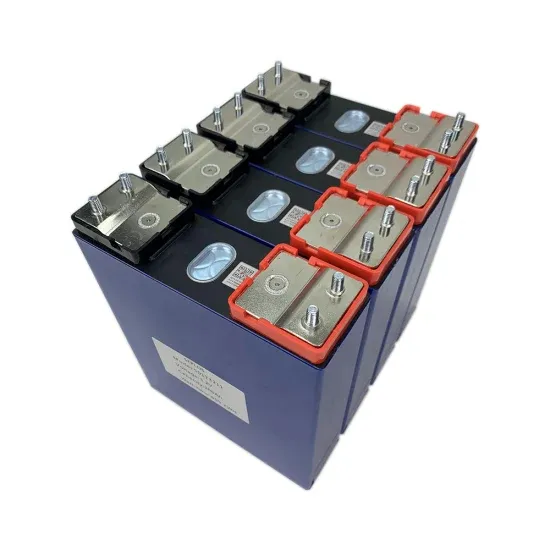
Photovoltaic power station energy storage transformation plan
We introduce a complete framework that outlines how modern battery energy storage systems can be efectively deployed and alleviate the variability of renewables. . This is where converting existing solar infrastructure into hybrid energy storage power stations creates game-changing value As the global renewable energy sector grows, operators of photovoltaic power stations face a critical challenge: how to maximize returns when sunlight availability. . Multi-energy systems could utilize the complementary characteristics of heterogeneous energy to improve operational flexibility and energy efficiency. However, seasonal fluctuations and uncertainty of load would have a great influence on the effectiveness of the system planning scheme. Regarding. . The global energy storage sector is undergoing an unprecedented technological transformation in 2025. With renewable energy penetration accelerating worldwide, energy storage system (ESS) integration has evolved beyond simple capacity expansion to focus on system-level optimization, safety. . The Energy Sector Management Assistance Program (ESMAP) is a partnership between the World Bank and over 20 partners to help low- and middle-income countries reduce poverty and boost growth through sustainable energy solutions. The strategy aims to improve system performance within current group control systems, considering multi-scenario collaborative control.
[PDF Version]
-

500mw energy storage power station feasibility plan
Summary: This guide explores critical aspects of conducting an energy storage project feasibility study, analyzing market trends, technical requirements, and financial considerations. . eliefs, and continuing relationship with the land. We pay our r s supplied by Umwelt (Australia) Pty Ltd (Umwelt). No other party should rely on this do hird party who may rely upon or use this document. Umwelt assumes no liability to a third party for an inaccuracies in or omissions to that. . lectricity generating station with a capacity greater than 50 MW. The Scottish Government considers (n the Chief Planner letter addressing battery storage consents of August 2020, Ref 16) that a battery installation generates electricity; therefore, the Proposed Scheme wil ive direction for. . Pumped energy storage is one of the most promising climate solutions in California because it helps maximize the use of environmentally friendly power sources. However, clean power (renewable energy such as Solar/Wind etc. 15, 2025 – (San Antonio, TX) – CPS Energy has issued a Request for Proposal (RFP) to acquire up to 500 megawatts (MW) of additional battery storage.
[PDF Version]
-

Zambia solar power generation for home use
The government, in collaboration with the World Bank, COMESA, and the Africa Minigrid Development Association (AMDA), is spearheading an ambitious plan to install at least 200 solar mini-grids by 2030, ensuring clean, affordable, and reliable electricity in every rural district. . Zambia is charting a promising path toward universal electricity access, with the proportion of the population connected to power rising from 30% in 2017 to nearly 50% today. While this progress is commendable, 8. Our mission is to empower our communities with clean energy, reducing both electricity costs and carbon footprints. 3% among urban households but only 34% among rural households. SHS offer a relatively low-cost lighting source for isolated rural households, but typically lack capacity for high-energy uses like cooking. Solar power systems, including solar home systems, solar water pumps, and solar-powered schools and clinics, can be deployed in off-grid areas, providing a sustainable and reliable source. .
[PDF Version]
 MENU
MENU