
-

Reliability of solar containerized BESS for telecom in extreme weather conditions
These solar/wind-hybrid power containers solve the “oops, no grid?” crisis for remote 5G towers and edge data centers. Deployable in weeks (not months), they deliver >99. 99% uptime while slashing diesel reliance by 80% and operating costs by 40-60% – turning logistical nightmares. . These deployments have revealed fundamental limitations in conventional BESS designs, particularly regarding thermal runaway prevention, electrolyte stability, and electronic component reliability under temperature cycling and moisture exposure. When integrated with PV and generators, BESS are the core of resilient microgrids. . In this article, we'll explore how containerized BESS for unreliable grid areas is reshaping the energy landscape, delving into its benefits, applications, and why it's becoming a go-to choice for international smart energy strategies. What is a Containerized BESS and Why Does It Matter? A. . Winter weather is tough on power systems because solar production drops, wind can be unpredictable, and demand climbs quickly as homes and businesses work to stay warm. When batteries stay online during extreme cold, they help stabilize the grid and capture value during high-demand hours. The unit is designed to be fully scalable to meet your storage requirements.
[PDF Version]
-
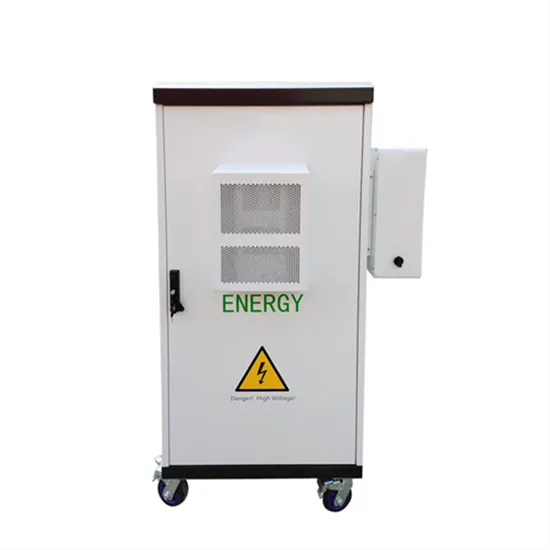
Energy storage power supply analysis system
Explore our free data and tools for assessing, analyzing, optimizing, and modeling technologies. Sign up for our email list to. . Energy storage systems (ESSs) are increasingly being integrated into power systems because they can provide a wide array of unique services. ESSs and other renewable generation such as photovoltaics (PVs) and wind are integrated with power systems using power electronic converters (PECs) that can. . This report describes development of an effort to assess Battery Energy Storage System (BESS) performance that the U. Department of Energy (DOE) Federal Energy Management Program (FEMP) and others can employ to evaluate performance of deployed BESS or solar photovoltaic (PV) +BESS systems. Model short-term market dispatch with unit commitment, renewables, storage, multi-carrier conversion, and. .
[PDF Version]
-

Energy Storage Container Power Station Profit Analysis
From California to Guangdong, operators are cracking the code on energy storage power station operating income using four primary models: capacity leasing, spot market arbitrage, grid services, and policy incentives [1] [6]. . Building upon both strands of work, we propose to characterize business models of energy storage as the combination of an application of storage with the revenue stream earned from the operation and the market role of the investor. We provide operation and maintenance services (O&M) for solar photovoltaic plants. These services are provided by a team of world-class. . According to the different stages of the development of the power market, this paper puts forward the corresponding development models of pumped storage power stations, which are successively the “two-part price system” model, the “partial capacity fixed compensation” model, and the “completely. . Profit model of container energy storage power f storage capacity is globally on the rise (IEA,2020). One reason may be generous subsidy support and non-financial driv rs like a first-mover advantage (Wood Macken oxes specify the business model around an application.
[PDF Version]
-

Analysis of solar thermal power generation industry
This market report provides a comprehensive analysis of the solar thermal power industry, highlighting key insights, market drivers, restraints, opportunities, and trends. . The global solar thermal market was valued at USD 16. 1 billion in 2024 and is estimated to grow at a CAGR of 9% from 2025 to 2034. Increased environmental awareness and government focus on decreasing carbon footprints will fuel product adoption. . The Solar Thermal Market Report is Segmented by Collector Type (Glazed Collector and Unglazed Collector), Application (Residential, Commercial, and Industrial), and Geography (North America, Europe, Asia-Pacific, South America, and Middle East and Africa). Image © Mordor Intelligence. Reuse. . Approximately 13 percent of the global heat supply came from renewable energy sources in 2022. This is considerably lower than the share of renewables in electricity generation, which stood at roughly 30 percent in that same year. 5% during the forecast period 2024 -2030.
[PDF Version]
 MENU
MENU